
Are We In "AI Puppy Love" ?
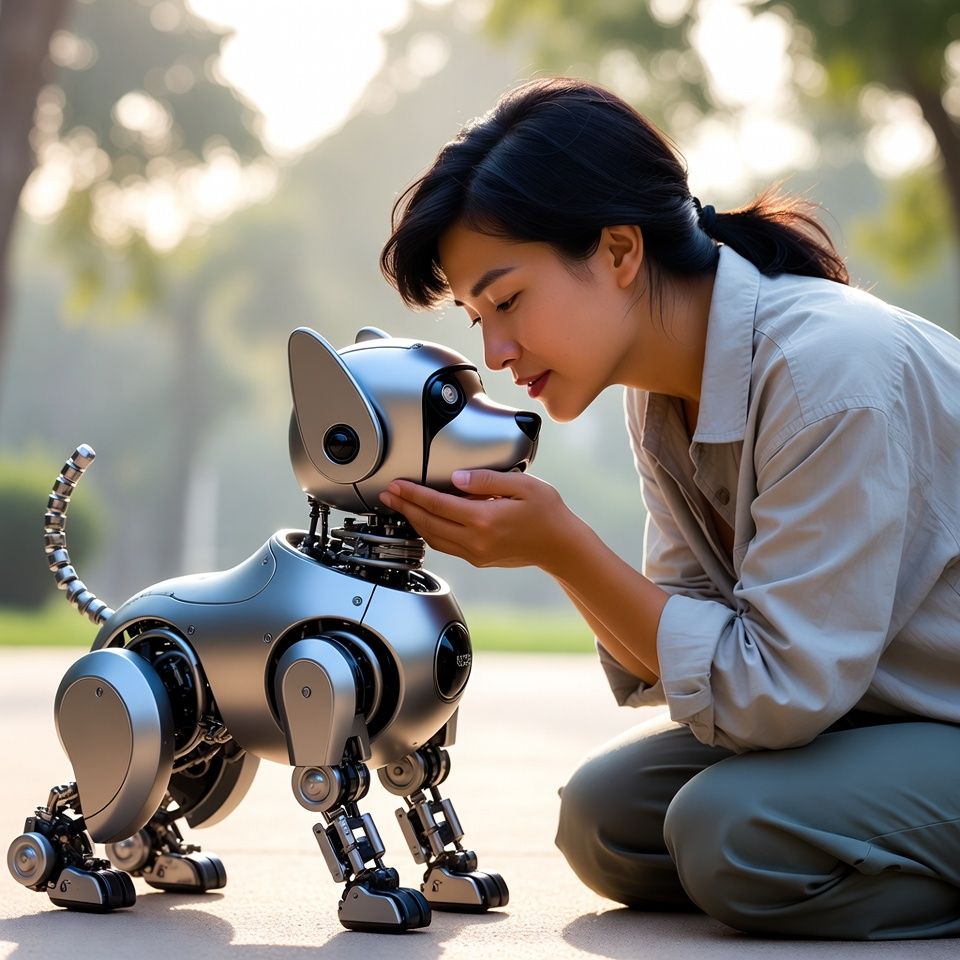
I' sorry, I've have tried, but I really can't come up with any better explanation for the human behavior I have been witnessing since AI captured our attention, our imaginations, and—in far too many cases—our better judgment. I call it "AI Puppy Love"
But can you really blame us? It is just so damn cute! It makes us feel so good, so productive, so intelligent, so enlightened, so much more competitive, and so... avant-garde! Just like being in love, it can be intoxicating.
Just as love for our dogs often causes us to surrender our better judgment—tolerating behavior we would never accept from another animal—many AI "puppy lovers" fail to notice when they have abandoned their better judgment.
Without a second thought, they copy-paste financial data and ask for budgeting advice or analysis. They upload private documents into the AI cloud, trusting that the information will never be accessed by anyone—or any other system—ever again. After all, it's Microsoft or [enter your favorite AI tool here] they're secure, and everyone else is using it, right?
Other real-world scenarios abound. A lawyer pastes excerpts from confidential client contracts into an AI tool for contract review or summarization. A healthcare worker inputs patient symptoms and medical history details for diagnostic suggestions. A marketing executive feeds proprietary campaign strategies or customer segmentation data into a generative tool to brainstorm ideas. In each case, sensitive information leaves the organization's controlled environment, often with little visibility into how it is stored, processed, or potentially reused for training future models.
In the world of data governance, this is often described as "increasing the attack surface" for cyber threats. In plain terms, every time you feed new data into an external AI system, you create additional entry points and exposure risks—like adding more doors and windows to a house. Hackers or insiders have more opportunities to break in, steal information, or exploit weaknesses. What was once a contained, internal dataset now touches external servers, APIs, and potentially vast training corpora, multiplying the chances of accidental leaks or targeted attacks.
In the end, our love for AI—much like our love for puppies—is a beautiful thing. It brings joy, companionship, unexpected insights, and a surprising boost to our capabilities. But love without boundaries can lead to chaos: muddy paws on the furniture, chewed-up shoes, and yes, the occasional accident on the carpet. The wise dog owner sets rules, provides training, and maintains a healthy perspective—adoring the pet while protecting the home and everyone in it. The same tenet applies to AI: embrace the wonder and the productivity it delivers, but do so with clear guardrails, critical scrutiny, and a firm grasp on reality. Only then can we enjoy the tail-wagging benefits without stepping in the unintended consequences. True intelligence, after all, isn’t just about adopting the latest shiny tool—it’s about knowing when and how to use it responsibly.